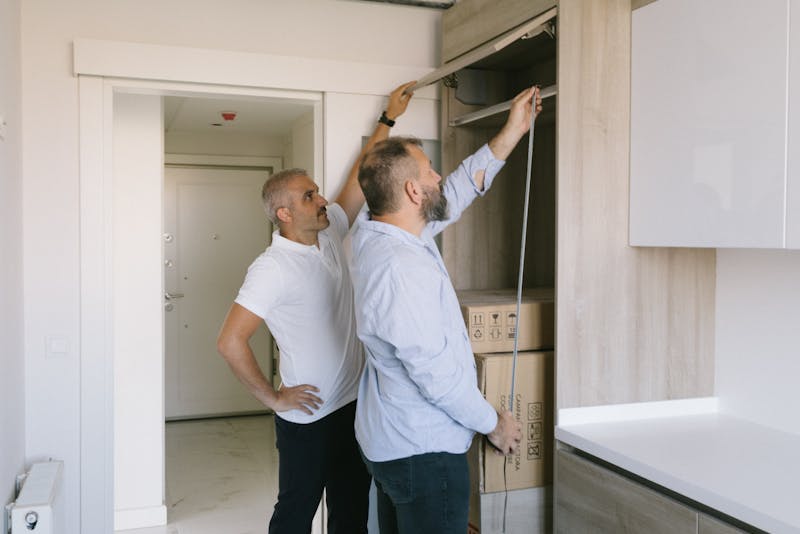
- Refinishing cabinets without stripping the wood is possible when the existing finish is intact and structurally sound.
- Proper cleaning and light sanding are essential to help new paint or stain adhere successfully.
- Bonding primers and cabinet-grade paints or gel stains eliminate the need for harsh chemical strippers.
- Thin, even coats and adequate drying time are key to achieving a smooth, long-lasting finish.
- Staining without stripping works best when transitioning to darker tones using gel stains.
Refinishing cabinets is one of the most cost-effective ways to refresh a kitchen or bathroom without committing to a full renovation. However, traditional cabinet stripping is time-consuming, messy, and intimidating for many homeowners. The good news is that stripping wood is not always necessary to achieve a professional-looking finish. With the right preparation, materials, and techniques, cabinets can be refinished successfully while keeping the original wood intact.
This guide explains how to refinish cabinets without stripping the wood, focusing on practical methods that save time, reduce mess, and preserve the integrity of your cabinets. Whether you are dealing with dated finishes, surface wear, or minor damage, this article walks you through safe, proven alternatives to stripping.
Why Avoid Stripping Cabinets in the First Place?
Stripping cabinets involves harsh chemicals, extensive scraping, and long drying times, which can overwhelm even experienced DIY homeowners. For many cabinets, stripping is unnecessary and may actually cause more harm than good.
Modern refinishing methods allow homeowners to update cabinets by working with the existing finish rather than removing it completely. This approach is ideal when cabinets are structurally sound but cosmetically outdated. Avoiding stripping also minimizes exposure to fumes and reduces the risk of damaging thin veneers or solid wood surfaces.
Another advantage is time efficiency. Projects that once took weeks can now be completed in days. For busy households, this makes cabinet refinishing far more manageable without sacrificing results.
When Can Cabinets Be Refinished Without Stripping?
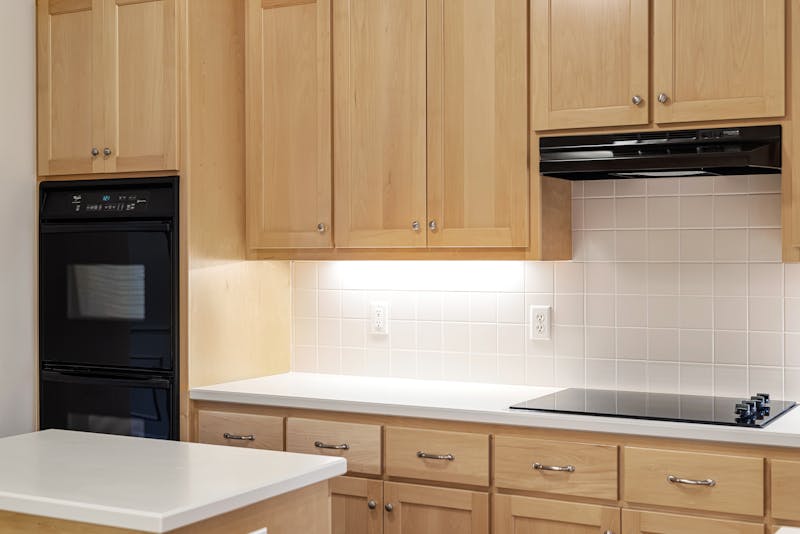
Not all cabinets are candidates for non-stripping refinishing, but many are. Understanding whether your cabinets qualify helps you avoid wasted effort and poor outcomes.
Cabinets can typically be refinished without stripping if the existing finish is intact, even if it looks dull or dated. Light scratches, fading, or discoloration are not deal breakers. However, cabinets with severe peeling, deep gouges, or structural water damage may require more intensive repairs before refinishing.
To assess suitability, inspect cabinet doors under good lighting. If the surface feels smooth after cleaning and light sanding, refinishing without stripping is often a viable option. This method works particularly well for cabinets finished with polyurethane, lacquer, or paint that is still firmly bonded.
How to Refinish Cabinets Without Stripping the Wood
This method focuses on surface preparation rather than the removal of the original finish. The goal is to create a clean, lightly textured surface that allows new coatings to adhere properly without exposing bare wood. Many homeowners researching how to paint kitchen cabinets without sanding are surprised to learn that light scuffing, bonding primers, and specialty cabinet paints can often replace aggressive sanding altogether. When done correctly, this approach delivers durable, professional-looking results while significantly reducing labor and mess.
Instead of chemical strippers, homeowners rely on degreasers, sanding tools, bonding primers, and specialty paints or stains. These products are designed to grip existing finishes, eliminating the need to expose bare wood.
This approach is especially useful for homeowners seeking a cleaner, safer, and faster refinishing process. It also reduces cleanup time and minimizes environmental impact compared to chemical stripping.
Key Benefits of Non-Stripping Refinishing
- Less dust and chemical exposure
- Faster project completion
- Lower risk of veneer damage
- Ideal for occupied homes
Step-by-Step Preparation for Non-Stripping Cabinet Refinishing
Proper preparation determines whether your refinishing project succeeds or fails. Skipping steps may lead to peeling, bubbling, or uneven finishes that shorten the life of your cabinets. For homeowners learning how to prep kitchen cabinets for painting, the most important takeaway is that preparation is more critical than the paint itself. Thorough cleaning, surface scuffing, and dust removal create the foundation needed for long-lasting adhesion and a smooth final finish.
Begin by removing cabinet doors, drawers, and hardware. Label each piece to simplify reinstallation. Thorough cleaning is essential, as grease and residue can prevent paint or stain from bonding properly.
Use a degreasing cleaner specifically designed for kitchens. Pay close attention to areas near handles and stove tops, where oils tend to accumulate. After cleaning, allow surfaces to dry completely before moving on.
Light Sanding: What It Does and Why It Matters
Light sanding does not remove the finish; it simply scuffs the surface to improve adhesion. Use fine-grit sandpaper (180–220 grit) and sand evenly.
Focus on flattening imperfections rather than sanding aggressively. Once complete, wipe surfaces with a tack cloth or damp microfiber cloth to remove dust.
Choosing the Right Products for Refinishing Without Stripping
Product selection plays a major role in durability and appearance. Using incompatible materials is one of the most common homeowner mistakes.
Bonding primers are essential when painting over existing finishes. These primers are formulated to stick to glossy or sealed surfaces, creating a reliable base coat.
For staining, gel stains are often preferred. Unlike traditional stains, gel stains sit on top of the existing finish, allowing color change without stripping. They are easier to control and reduce blotching.
Recommended Product Types
- Bonding or adhesion primers
- Cabinet-grade enamel paints
- Gel stains for color updates
- Water-based polyurethane for sealing
Always follow manufacturer instructions and allow adequate drying time between coats.
Painting Cabinets Without Stripping: Best Practices
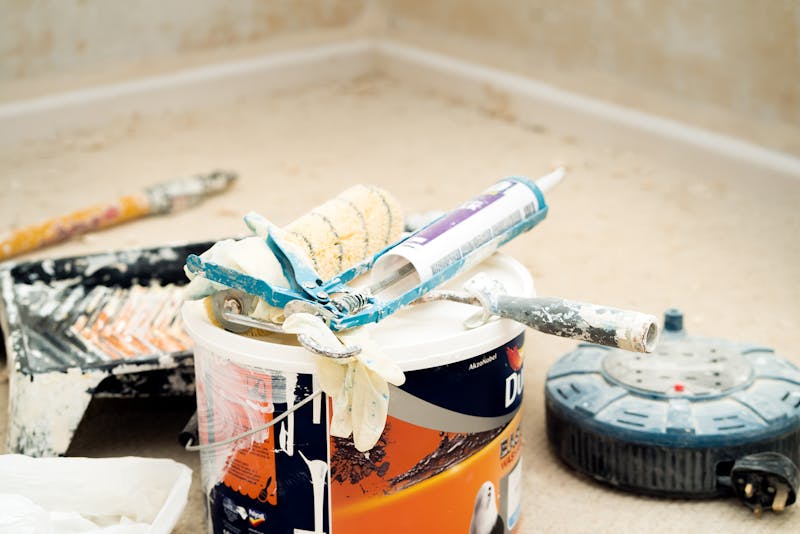
Painting is the most popular option for homeowners looking to modernize cabinets without removing the original finish. With proper prep and the right tools, painted cabinets can last for years.
Start with a thin coat of bonding primer. Avoid heavy application, as it may cause drips or uneven texture. Once dry, lightly sand again to smooth the surface before applying paint.
Use high-quality brushes or foam rollers designed for cabinetry. Paint in thin, even layers, allowing sufficient drying time between coats.
Tips for a Smooth Painted Finish
- Apply multiple thin coats instead of one thick coat
- Sand lightly between coats
- Maintain consistent room temperature and ventilation
Staining Cabinets Without Stripping: Is It Possible?
Yes, staining without stripping is possible when using gel stain or tinted topcoats. This method is ideal for homeowners who want to deepen or change the wood tone without exposing bare wood.
Gel stains adhere to the surface rather than penetrating deeply, allowing color transformation over existing finishes. This works best when transitioning to a darker shade.
Before full application, test the stain on an inconspicuous area. This ensures color accuracy and helps avoid surprises.
When Staining Without Stripping Works Best
- Cabinets are structurally sound
- Existing finish is smooth and intact
- The desired color is darker than the original
Common Mistakes to Avoid During Cabinet Refinishing
Even with the best intentions, mistakes can compromise results. Understanding common pitfalls helps homeowners achieve professional-quality outcomes.
One frequent error is skipping cleaning or sanding. Another is rushing drying times, which leads to soft finishes and fingerprints. Using wall paint instead of cabinet-grade paint also reduces durability.
Ignoring ventilation is another issue. Proper airflow ensures even curing and reduces health risks.
Mistakes That Lead to Failure
- Applying paint too thickly
- Skipping bonding primer
- Reinstalling hardware too soon
How Long Do Refinished Cabinets Last Without Stripping?
When done correctly, non-stripping refinishing can last 8–15 years. Longevity depends on product quality, surface prep, and daily wear.
Cabinets in high-use kitchens benefit from durable topcoats and gentle cleaning habits. Avoid abrasive cleaners, which can dull finishes prematurely.
Routine maintenance, such as tightening hardware and wiping spills promptly, extends lifespan significantly.
Is Refinishing Without Stripping Right for Your Home?
Refinishing cabinets without stripping is an excellent choice for homeowners seeking a balance between affordability and quality. It preserves existing materials while delivering a refreshed, updated look.
This approach works best when cabinets are structurally solid, and the goal is cosmetic improvement rather than complete transformation. For many homes, it provides results comparable to full refinishing at a fraction of the cost.
Before starting, evaluate the cabinet condition honestly. When in doubt, consult a professional for guidance.
How to Protect and Maintain Refinished Cabinets Without Stripping
Once cabinets are refinished without stripping the wood, proper protection and ongoing maintenance are essential to preserve the new finish. While non-stripping methods can deliver durable results, the longevity of the cabinets largely depends on how they are sealed and cared for after the project is complete. Applying a high-quality protective topcoat helps shield the surface from moisture, grease, and daily wear, especially in high-traffic kitchens. Water-based polyurethane or cabinet-specific clear coats are commonly used because they dry hard, resist yellowing, and are easy to clean.
Maintenance habits also play a critical role. Gentle cleaning methods prevent premature dulling or peeling, while small preventative steps reduce surface damage over time.
Best practices for long-term cabinet care include:
- Wiping spills and splashes promptly with a soft, damp cloth
- Avoiding abrasive cleaners, scrub pads, or harsh chemicals
- Using mild soap solutions for routine cleaning
- Installing soft-close hinges to reduce impact damage
With proper protection and mindful upkeep, refinished cabinets can maintain their appearance and performance for many years without requiring stripping or major touch-ups.
Final Thoughts: A Smarter Way to Refinish Cabinets
Refinishing cabinets without stripping the wood offers homeowners a practical, efficient alternative to traditional methods. With careful preparation, proper products, and patience, this approach delivers lasting results without unnecessary mess or expense.
By following the steps outlined in this guide, homeowners can confidently update their cabinets while protecting their investment and preserving the original wood.