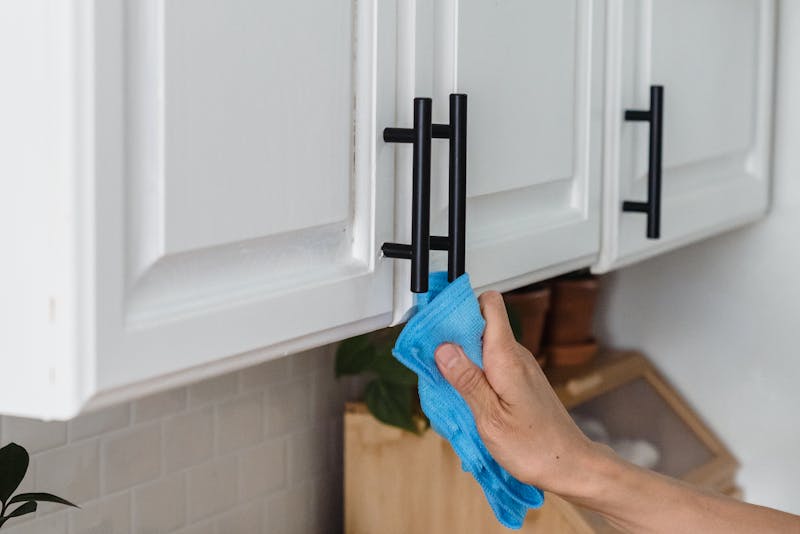
- Gentle cleaning methods protect cabinet finishes better than aggressive scrubbing or harsh chemicals.
- Mild, cabinet-safe cleaners and soft tools help remove grease and grime without causing scratches or discoloration.
- Excess moisture is a common cause of cabinet damage, so surfaces should always be dried immediately after cleaning.
- Avoid abrasive sponges, steam cleaners, and strong chemicals that can strip or dull the finish over time.
- Regular light cleaning prevents buildup and reduces the need for damaging deep-cleaning methods.
- When cabinets look worn despite proper care, refinishing can restore their appearance without full replacement.
Cabinets play a major role in how your kitchen or bathroom looks and feels. Over time, grease, dust, fingerprints, and moisture can dull their appearance, making even a well-designed space look neglected. Many homeowners worry that frequent cleaning might scratch, fade, or strip the finish—especially on wood or painted cabinets. The good news is that with the right approach, you can keep cabinets clean without causing damage.
This guide explains safe, effective cabinet-cleaning methods, what products to avoid, and how to maintain the finish so your cabinets continue to look their best for years.
Why Cabinet Finishes Get Damaged So Easily
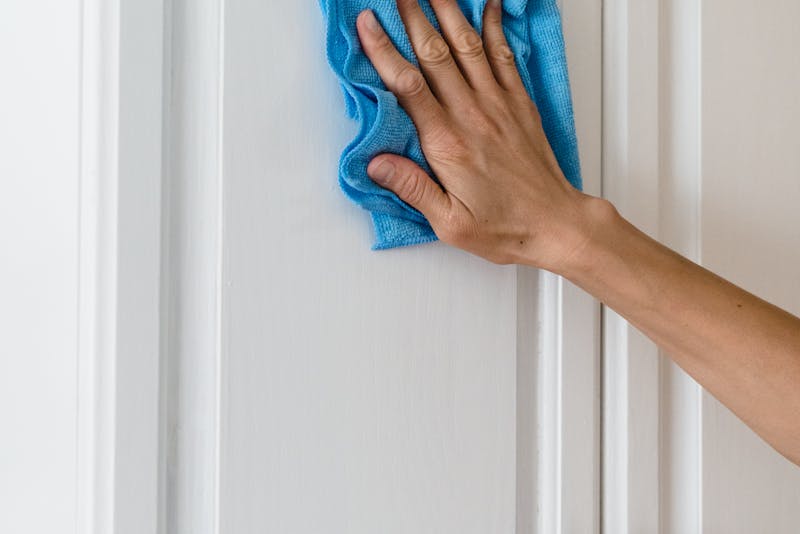
Cabinet finishes are designed to protect the underlying material, but they are more delicate than many homeowners realize. Most finishes—whether painted, stained, or sealed—can react poorly to harsh chemicals, abrasive tools, and excessive moisture. Overcleaning or using the wrong products can gradually wear down the protective layer, leading to discoloration, peeling, or a cloudy appearance. Kitchens are especially challenging environments because grease particles settle on surfaces daily, while bathrooms expose cabinets to humidity and water splashes.
Another common issue is using “one-size-fits-all” cleaners. Products meant for countertops or floors are often too strong for cabinet finishes. Even natural solutions, when mixed incorrectly, can cause harm. Understanding why damage happens is the first step toward prevention. When you clean gently, use finish-safe products, and follow a consistent routine, you reduce the risk of long-term wear and avoid costly repairs or premature replacement.
How to Clean Cabinets Without Damaging the Finish
Learning how to clean cabinets without damaging the finish starts with a gentle, methodical process rather than aggressive scrubbing. The goal is to remove surface dirt and grease while preserving the protective coating. Begin by dusting cabinets with a dry microfiber cloth to prevent debris from scratching the surface during wet cleaning. This simple step is often overlooked but makes a noticeable difference.
Next, use a mild cleaning solution and work in small sections. Avoid soaking the cabinets; excess moisture can seep into seams and edges, causing swelling or warping over time. Always wipe in the direction of the wood grain if applicable, and dry immediately after cleaning. Consistency matters more than intensity—light, regular cleaning prevents buildup that requires harsher methods later. By following these principles, homeowners can maintain clean cabinets while keeping the original finish intact.
Safe Cleaning Solutions to Use
- Warm water mixed with a few drops of mild dish soap
- Diluted vinegar solution (1 part vinegar to 4 parts water)
- Store-bought cleaners labeled “cabinet-safe” or “wood-safe”
Tools That Protect Cabinet Finishes
- Microfiber cloths or soft cotton rags
- Soft-bristle brushes for crevices
- Dry towels for immediate drying
What Cleaning Methods Should You Avoid?
Knowing what not to do is just as important as knowing what works. Many cabinet finishes are damaged by everyday habits that seem harmless at first. Abrasive sponges, steel wool, and stiff brushes can create tiny scratches that dull the surface over time. These scratches collect dirt, making cabinets harder to clean in the future. Similarly, strong chemicals like ammonia, bleach, or oven cleaners can strip protective coatings and alter color.
Steam cleaners are another common mistake. While effective for tile or grout, steam forces moisture into cabinet joints and can weaken adhesives. Even excessive scrubbing with a soft cloth can wear down paint or stain if done too often. Avoid shortcuts that promise instant results, as they often trade short-term cleanliness for long-term damage. Gentle, finish-conscious cleaning is always the safer choice for homeowners.
Products That Can Ruin Cabinet Finishes
- Bleach or ammonia-based cleaners
- Powdered or gritty cleaning agents
- Furniture polish with silicone buildup
How Often Should Homeowners Clean Their Cabinets?
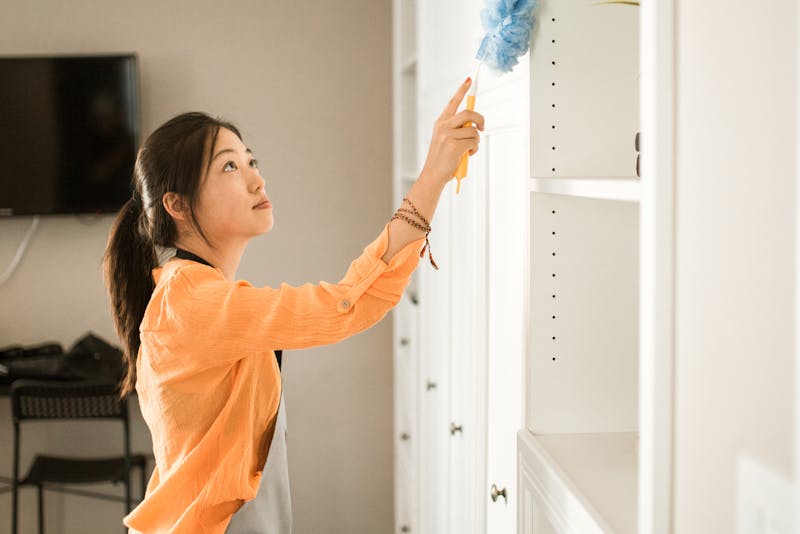
Cleaning frequency plays a major role in preserving cabinet finishes. Waiting too long allows grease and grime to harden, requiring stronger cleaners that may damage the surface. On the other hand, overcleaning with moisture or chemicals can also cause wear. The ideal approach is light, regular maintenance combined with occasional deep cleaning.
For most households, a weekly wipe-down of high-touch areas—such as handles and lower cabinets—is sufficient. Monthly cleaning can address interior shelves and less-used surfaces. Seasonal deep cleaning helps reset the space and identify early signs of wear. If cabinets already look dull or worn despite proper cleaning, it may be time to explore options like how to refinish cabinets instead of replacing them entirely. Refinishing can restore appearance while extending cabinet life.
Recommended Cleaning Schedule
- Weekly: Spot-clean handles and visible grease
- Monthly: Clean cabinet doors and interiors
- Quarterly: Inspect for damage and touch up as needed
Final Tips for Long-Lasting Cabinet Finishes
Protecting cabinet finishes goes beyond cleaning alone. Simple habits like using exhaust fans while cooking, wiping spills immediately, and avoiding hanging wet towels on cabinet doors can significantly reduce wear. Adding felt pads inside cabinets and using gentle liners can also prevent scratches from dishes and cookware.
By combining smart cleaning methods with preventative care, homeowners can enjoy clean, attractive cabinets without sacrificing their finish. The key is patience, consistency, and choosing products designed to protect—not strip—your cabinets. With the right approach, your cabinets can remain a standout feature in your home for many years.